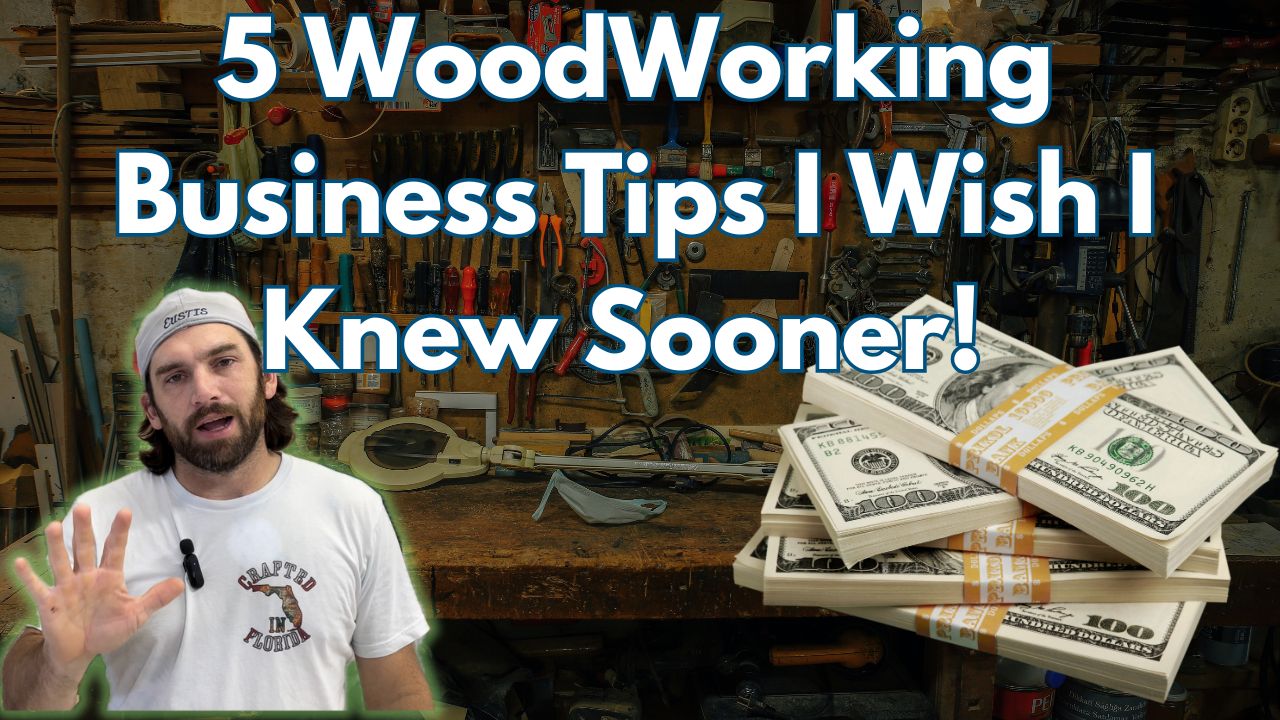
I’ve been in the woodworking industry for nearly a decade. I’ve built everything from a simple cutting board to a 20′ wide entertainment center. In that time I’ve learned many lessons, techniques, business tips that have made me both a better woodworker and a better business man. Now that these lessons have been learned, I think the best thing that I can do is to pass them on to those who are currently where I was when I that first customer told me yes. In this article I’m going to give you 5 tips I wish I knew sooner as someone in the woodworking industry. Read to the end for a bonus tip that will hopefully save you some time and money.
The first thing that I recommend is to think about your plan for social media and begin it early. When I started I was of the mind that I’ll just post some finished pictures a couple weeks and that will help generate some more interest and bring in new clients. For a while that worked, I had a steady stream of clients knocking on my Facebook door and asking for quotes. My acceptance rate was fairly good, but in hindsight I know it was because I was cheap. The lesson is that social media takes time to build up, especially the Youtube channel. So if you have any inkling of doing Youtube, start now. As AC/DC said “It’s a long way to the top, if you want to rock and roll” and so the sooner you start, the sooner you’re rocking and rolling.
Understand that it’s ok if your work is not at an extremely high level, it’s ok that you don’t know the super cool techniques or have the top tool brands in your toolbox. None of that is necessary to build cool things and share the knowledge that you do have. Begin with what you know and as you learn, pass on that information to your viewer. I wish I had started the channel back when I first thought about it in 2020, I let the doubts keep me from hitting record. Now the channel is on the way to getting monetized and I’ve already had several companies reach out about sponsorships and even had a company reach out about hiring me for their video marketing needs. The thing many people don’t consider with YouTube is that it is the worlds 2nd largest search engine, only behind its parent company Google. This means your business having another place to be seen when the customer googles your name or your industry is a good thing. Think of it at least as advertising if nothing else.
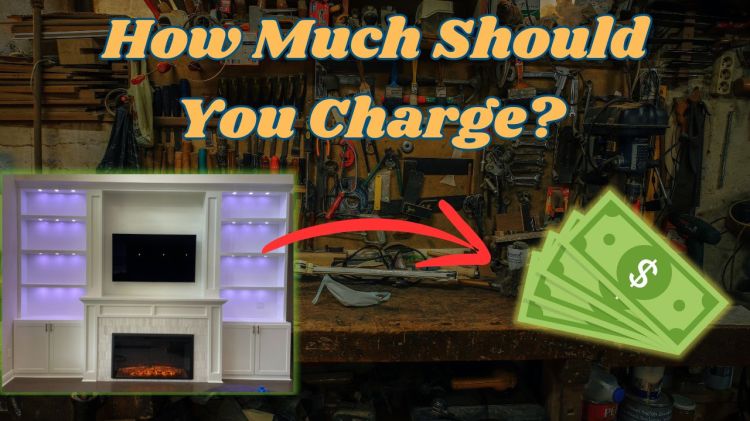
The second thing that comes to mind is one of the most important to figure out, pricing. Pricing out your projects can be difficult, you don’t want to charge to much and price yourself out of a job, but if you charge to little you’re barely getting by. Finding the sweet spot where you make money and the customer believes they have received that amount of value in the work that you’ve provided is tough. If you follow this link (https://craftedinflorida.com/2024/09/25/how-to-price-out-your-projects/ ) you’ll find an article where I’ve broken down my pricing strategy in further detail. There is also a corresponding video to go with it if you’d prefer to listen. The cliff notes version is account for your materials, labor, shop cost, and add profit. Where most people go wrong is they forget to add the profit and take care of the shop cost. The shop cost cover everything that you need in order to run your shop (i.e. trash disposal, rent, internet, power, etc.). Without applying this to the pricing equation you will end up spending any extra money on the basics you have to cover to stay in business. Watch that video for a more detailed breakdown into pricing.
In order to do this job you have to own tools, but knowing which ones to buy and when is a perplexing situation. Some people are spenders and will just buy what they want when they want it, others are cheap skates and will only buy it if it’s absolutely necessary, and even then will buy the cheap one. I’ve been guilty of both at times in my career, and the lesson I’ve learned from this is that knowing when to buy the correct tool is a matter of knowing the job. Having an idea of projections and what you like doing and what you’re good at. If you’re not a fan of tile or stone work, don’t spend the money on a high end wet saw, you won’t get the appropriate amount of use out of it to justify the purchase. I bought my first wet saw early in my career, thinking I wouldn’t use it much. I was asked to tile around an old fireplace along with a large trim job. I still use that wet saw today for all of the tile/stone work projects on the fireplaces that I build.
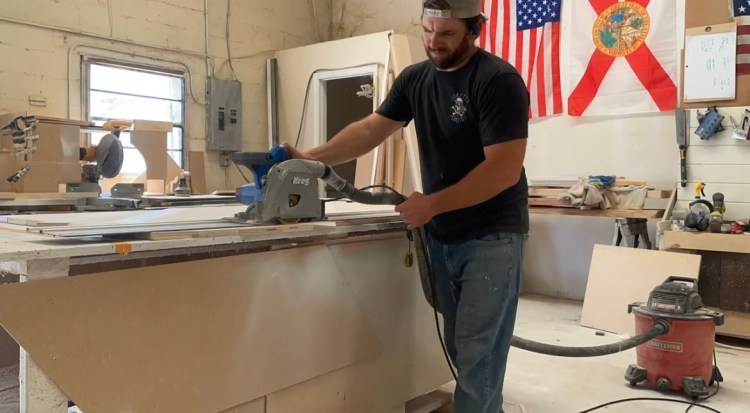
If you buy a middle of the pack tool and take care of it you should be able to make your money’s worth out of that tool. There are some tools that are not very good no matter how well you take care of them and others that are just worth the money because of the ease of use and durability. The best advice I can give you on that is to research the tools and look a the reviews that have given 2,3, or 4 stars. Those tend to be a little more honest, rather than the extreme emotional repossess you get in the 1 and 5 star reviews. The other thing that has helped me is buy the tool when the job calls for it, not just because you want it. If that job’s profit will pay for that tool and can make you money in the future then you’ve won in the end.
One of the toughest things to do in this industry is predict how long jobs are going to take you to complete. At least for me, this has been a challenge. I think one of the reasons why is because every job is different. While most of my jobs have similarities, they are all custom pieces that I make specifically for that job. This means I have to figure out how long that job will take every time. The easiest thing I’ve learned to do is to give myself some buffer days. This hasn’t always worked, but it has been helpful for most projects. If I believe the project will take 10 days to complete, I won’t schedule the next one until at least 3 days later. Sometimes I use those 3 days and sometimes I don’t. If I end up with extra time I will typically work through things at the shop in order to get things back in order. Allowing for that buffer time in your schedule will help you become less stressed and hopefully stay more organized. You will still end up with a wrench thrown in there sometimes and it’ll cause some chaos, but just communicate with your customers and let them know you’re behind. The construction industry in general is no stranger to delays, so don’t be afraid to give yourself more time to do it correctly.
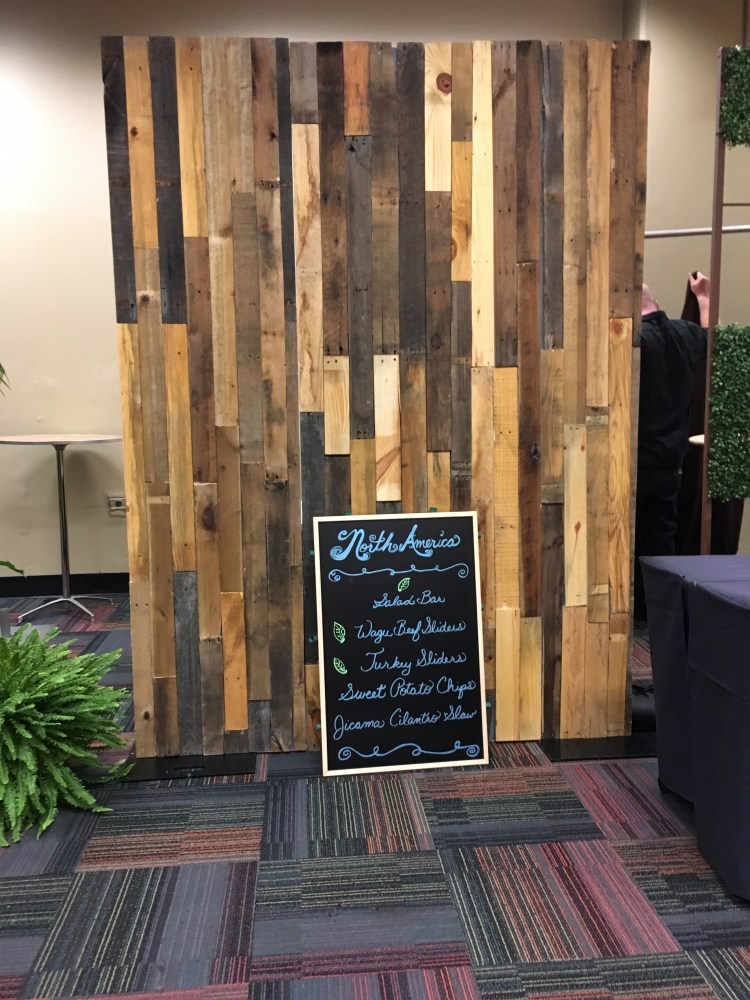
The final thing for this list of things I wish I knew sooner is that networking is your friend. Networking is working with those in your community and in the industry and possibly another trade to help provide each other with warm leads. I often get asked by customers typically at the end of a job if I know anyone who’s an electrician or a plumber. Unfortunately I have not done a great job of networking with the other trades to have the people to recommend, but I have scheduled several networking event for the near future. The more people you know and that know you, the more people who will recommend you to their clients when they are in search of someone with your skills. Attend networking events, join groups, and just be a part of your community to help bring awareness to your name and company. This will increase your leads, which will in turn increase your business.
My bonus tip for you, for making it to the end of this article is to don’t waste your time on Etsy. I’ve been there and done that. Etsy is a fine platform and if you have a very unique item you’re trying to sell on there, then you may have some success. The people who are on Etsy having the success right now are typically those that have been there for a while, or are those that are willing and able to spend the money to get to the top of the page in the search results. If you’re trying to sell cutting boards or wood signs, that market is overloaded on Etsy. I’ve tried it, Etsy is so full of sellers that they will only promote those that pay to be promoted or that are already selling. The way to get successful on Etsy today is to drive traffic to your Etsy page, but if you’re in charge of driving the traffic, then why wouldn’t you drive it to your own website where you’re the only seller. It doesn’t make sense to drive customers to a website that has your competition on the page below your items. If you want to sell your things online spend the money on Shopify for an ease of checkout and then you can drive your traffic to your own site.
Thank you for reading this article, for more information on Crafted in Florida visit the rest of the site here at www.CraftedInFlorida.com and click here to shop our custom items. If you’re interested in a large custom piece you can contact us directly on the Contact page. Please share this article and subscribe so you’re notified when the next one drops.
Discover more from CRAFTED IN FLORIDA
Subscribe to get the latest posts sent to your email.
 CRAFTED IN FLORIDA